31 day money back guarantee Free shipping within Europe More than 88,000 unique rugs Since 1998: your expert for hand knotted oriental carpets
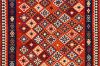
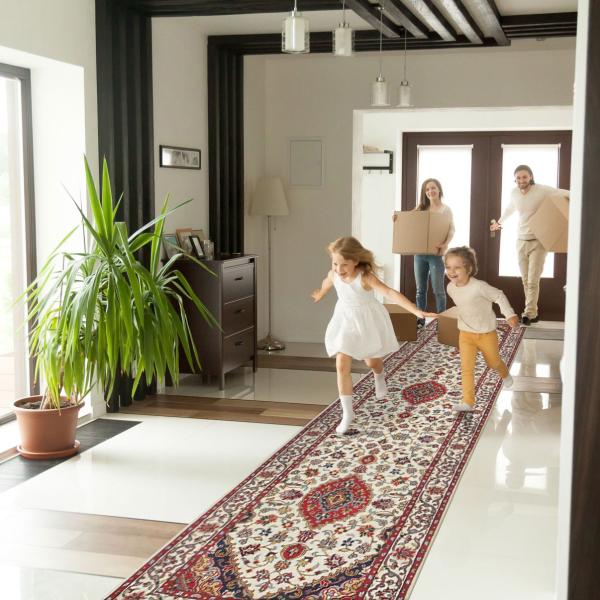
Children are running over a long oriental runner in cream and red in the entrance area.

Runner rugs: Practical and wonderfully beautiful

In all variations

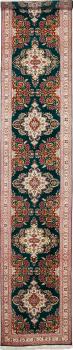
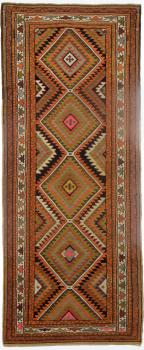
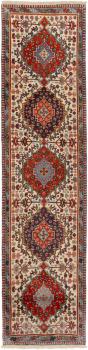
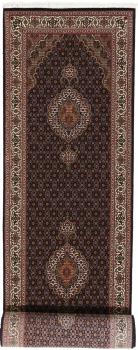
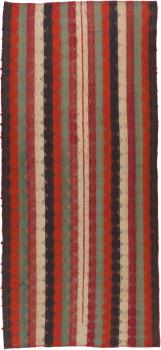
Thanks to the ingenuity of carpet weavers, there are oriental carpet runners for every need. These carpets were once woven by nomads and used for everyday purposes such as bed coverings or tent hangings, but we mostly use carpet runners today in passageways. The hallway is a perfect example of this. It is no coincidence that there are so-called hall runners, which are extra long and narrow carpets. Hand-knotted runners have one thing in common: they are highly durable due to their construction. Popular examples include Kelims, flat-woven carpets whose front and back are identical. This is partly due to the weaving technique, and it also allows for an even longer lifespan. When one side gets dirty, the carpet can easily be flipped over. Additionally, a Kelim is relatively flat, allowing doors to be opened over the carpet without it being moved.
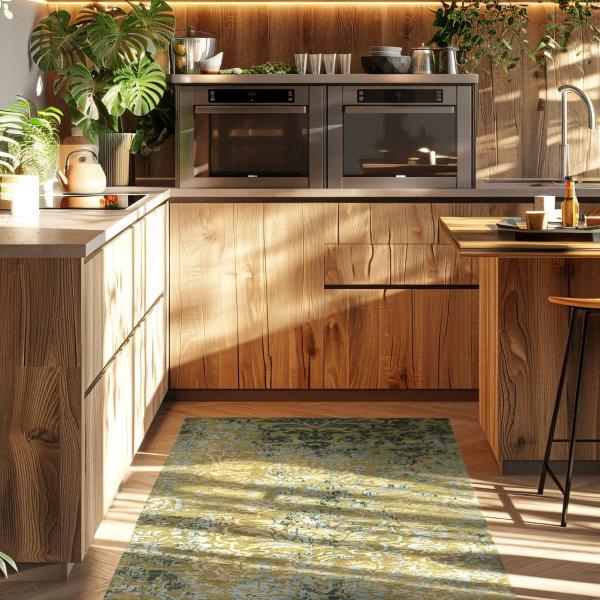
Kitchen in wood effect with a Persian Gabbeh Loribaft Atash rug
Persian Gabbeh Loribaft Atash
224 x 91

NZ$4,057

Carpet runners as an elegant accessory for indoor spaces

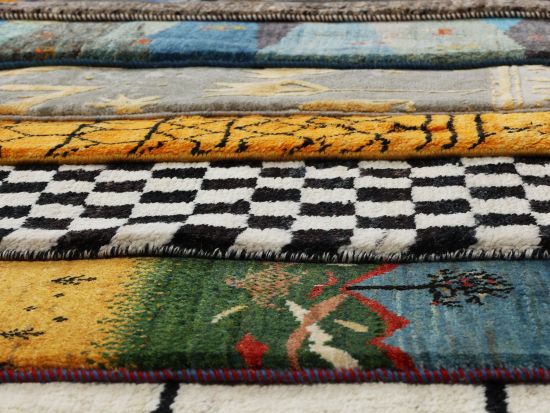
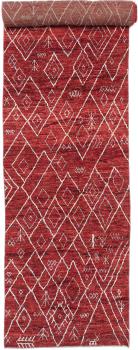
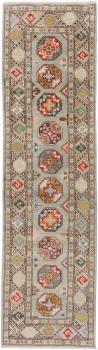
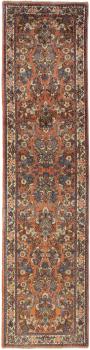
Modern interior design styles deliberately showcase shapes and colours. Mixing them up is no longer common. However, various design styles still reflect the diversity in the furniture and decor market. Rugs are no exception and are designed to match these styles. For instance, there are rugs that complement the BOHO style. Particularly classic oriental runners are well-suited for this purpose and give the interior design the finishing touch. Those who prefer more colour can opt for oriental kilims. The fantastic variety of shapes, colours, and patterns leaves little to be desired. Floral ornaments literally draw all attention to themselves. In contrast, a Moroccan runner in the Beni Ourain design is more understated. Clear white to ivory serves as the base, with intersecting black lines arranged in a diamond shape characterising these rugs. For the Scandinavian style, a nomadic runner works excellently. Its geometric patterns harmonise with the straight-lined design style.

What should you pay attention to?

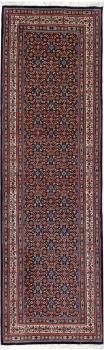
The variety of hand-knotted runners may seem endless at first glance. However, each one is unique and therefore only knotted in a single size. With just a few criteria, the selection can be quickly narrowed down. The materials used should ideally always come from nature. Wool from trees or sheep is very suitable and promises long durability. Particularly, sheep wool is a fantastic base material. Thanks to its natural fat content, it is less susceptible to dirt. Thus, gentle cleaning is not a problem. Additionally, the soft wool has a beautiful sheen. Synthetic dyes can be hard to distinguish from natural ones at first glance, yet there are significant differences between the two. Natural dyes last longer, do not fade as quickly in the sun, and are completely harmless to health. Not only that, natural dyes from sustainable sources are better for the climate and put less strain on wastewater. These advantages of natural materials are hard to overlook when making a purchasing decision for a carpet runner. Of course, rugs made from traditional quality craftsmanship cost more, but the joy they bring is all the greater.
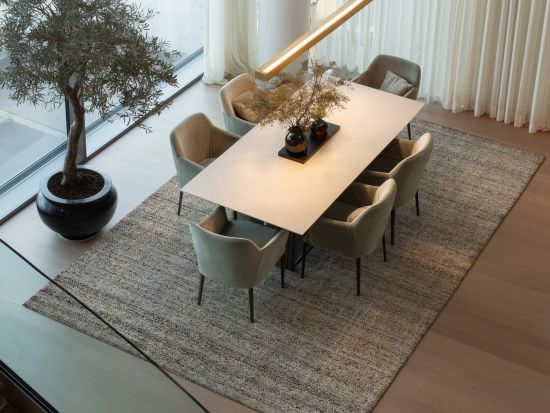
Hand-knotted Sandraa designer rug made of wool with bamboo silk in the kitchen
Sadraa
239 x 79

NZ$2,580

NZ$2,323

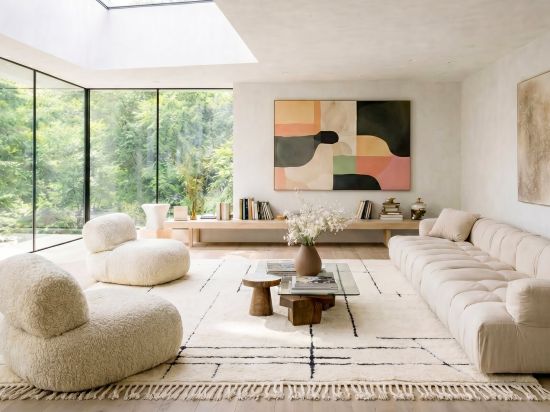
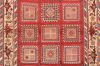
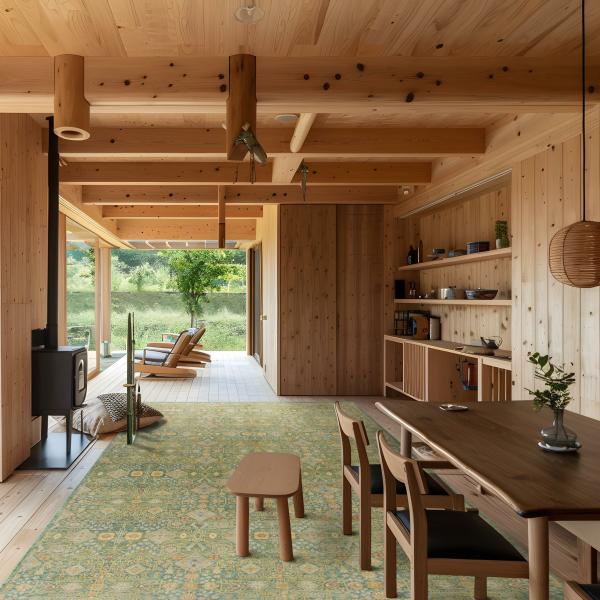
Open living area with a focus on a hand-knotted Mamluk rug featuring a typical geometric pattern.
Mamluk
539 x 246

NZ$39,621