Nowruz is the traditional New Year celebration of many Iranian and Central Asian cultures, beginning precisely at the moment of the spring equinox. For over 3,000 years, this festival has not only marked the start of a new year but also a conscious new beginning in harmony with nature. When day and night are in balance, Nowruz symbolizes equilibrium, renewal, and hope.
However, Nowruz is much more than a calendar change. It is a time for preparation, cleansing, and the intentional shaping of one's home. Rituals such as Khaneh Tekani, the traditional house cleaning, or the symbolically rich Haft-Sin table demonstrate how closely culture, space, and personal new beginnings are interconnected.
In this article, you will learn what Nowruz means, the traditions that shape the Persian New Year, and why the home plays a central role – from symbolic colours to hand-knotted Persian carpets that connect generations.
Nowruz is not only a symbolic new beginning, but a festival with clear rituals that have been passed down through generations. These traditions connect nature, family, and home in a special way.
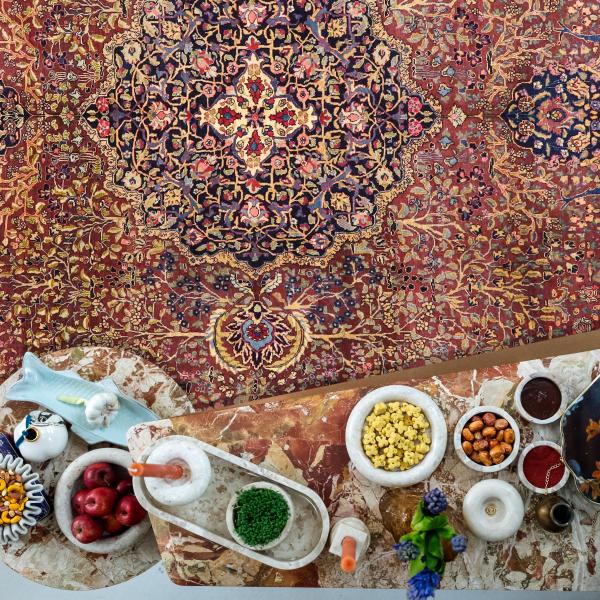
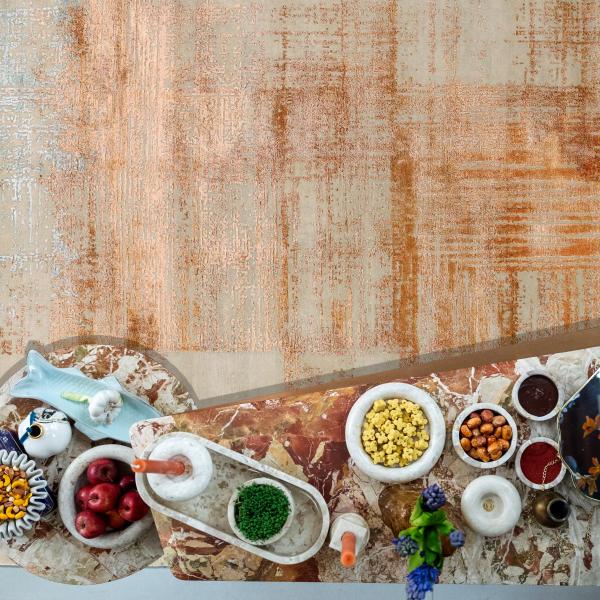
The most well-known tradition is the Haft-Sin table. "Haft" means seven, "Sin" stands for the Persian letter "S". On a festively laid table, seven symbolic elements are arranged, each beginning with an "S":
The table is often complemented by mirrors, candles, painted eggs, or a book of poetry. The Haft-Sin table is usually placed at the centre of the home and symbolizes hope for the coming year.
In the weeks leading up to Nowruz, Khaneh Tekani takes place – the traditional house cleaning. Literally translated, it means "to shake the house".
During this time:
This cleaning is not only practical but also symbolic: the old is released to make way for the new.
On the last Wednesday before Nowruz, Chaharshanbe Suri is celebrated. Small fires are lit, over which people symbolically jump. During this, words are spoken to transfer illness and worries to the fire.
The fire represents:
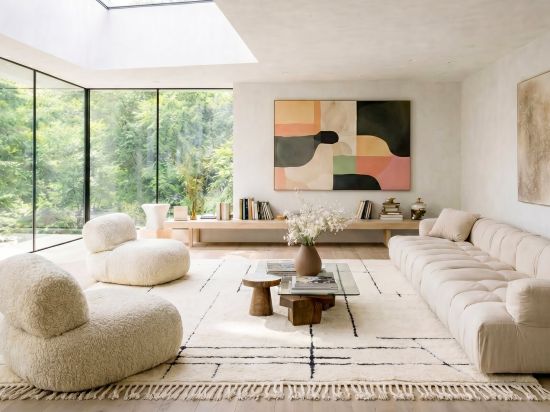
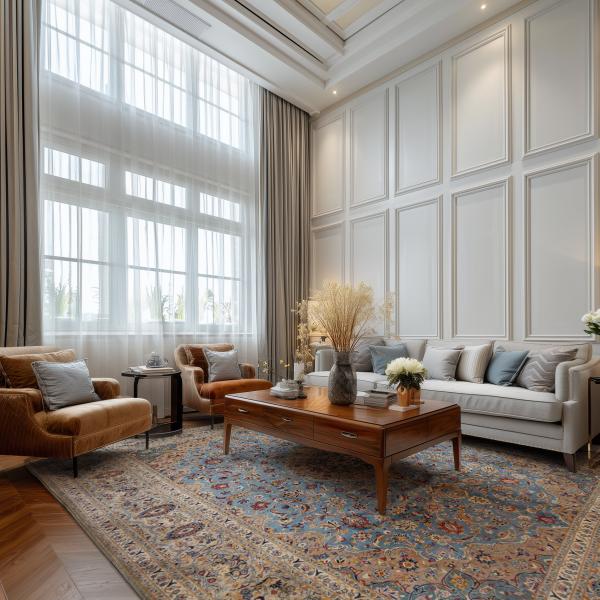
Nowruz does not begin in the public space, but in one's own home. The preparation for the new year – the cleaning, organising, and conscious design – takes place within the four walls of the home. The home becomes a place of transition, where the past and future meet for a moment.
Rituals such as Khaneh Tekani show that spaces are more than just functional places. They carry memories, habits, and stories within them. Through cleaning and redesigning, not only is there external clarity, but also internal order. The home becomes a mirror of one's own new beginning.
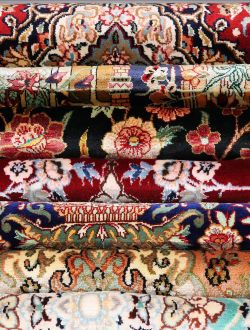
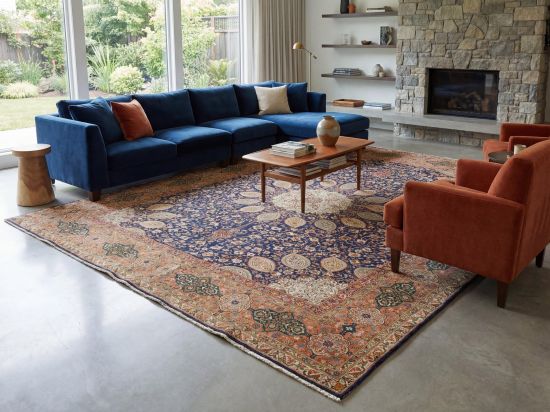
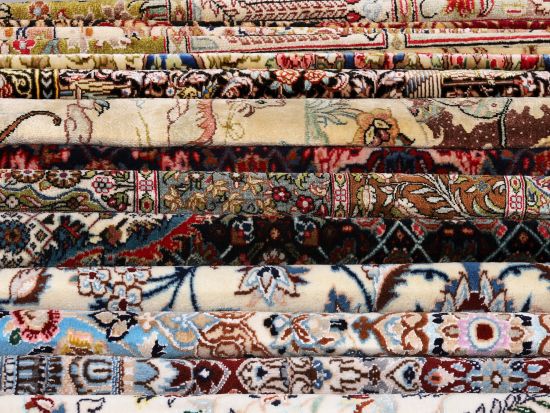
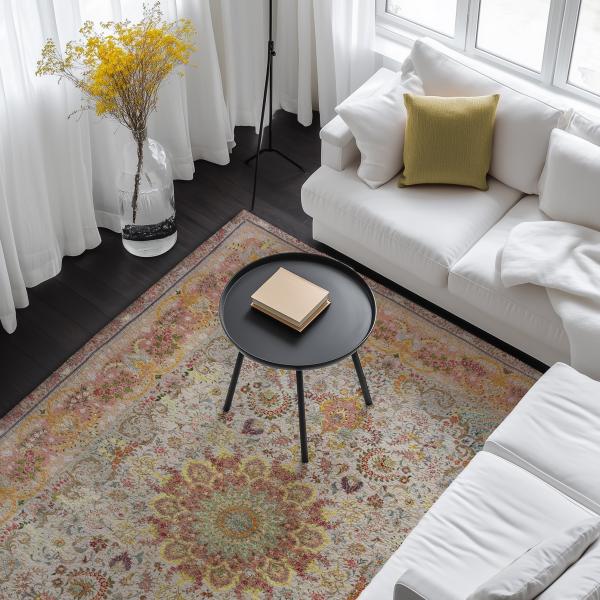
In many families, textiles – particularly hand-knotted Persian rugs – play a special role during Nowruz. They are cleaned, aired, and consciously cared for before the new year begins.
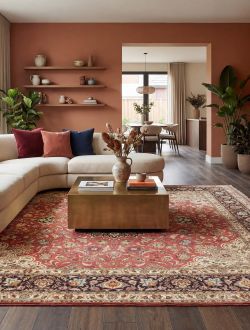
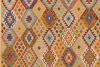
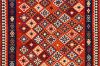
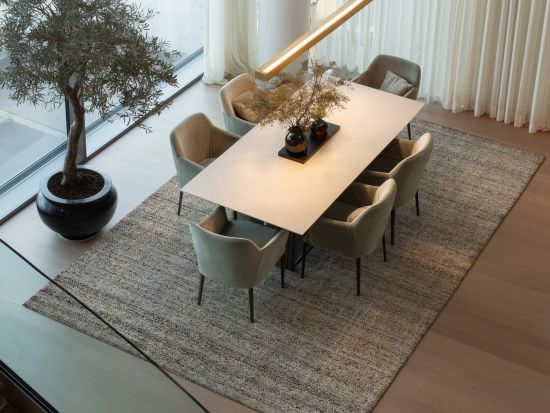
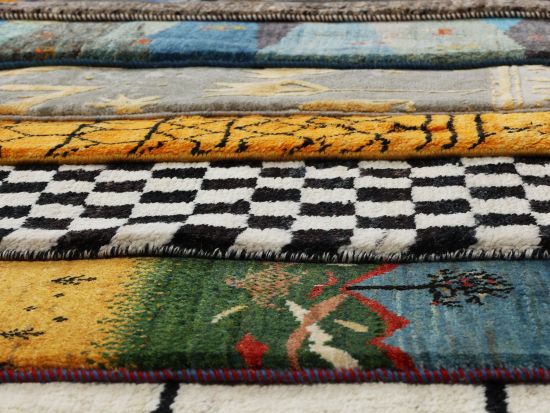
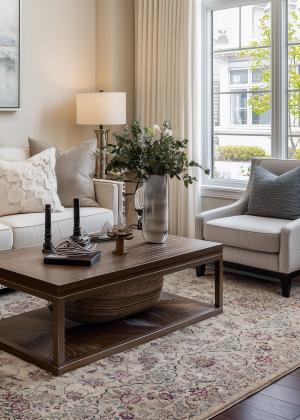
A rug is much more than a decorative element. It forms the foundation of the space, connects furniture, structures areas, and creates warmth. At the same time, it carries cultural symbolism:
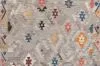
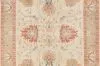
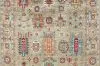
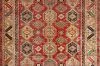
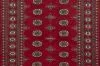
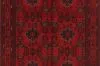
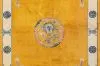
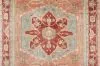
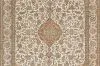
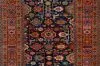
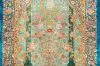
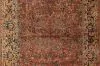
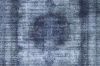
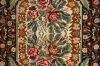
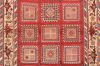
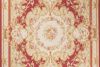
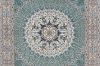
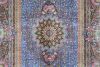
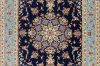
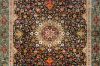
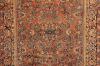
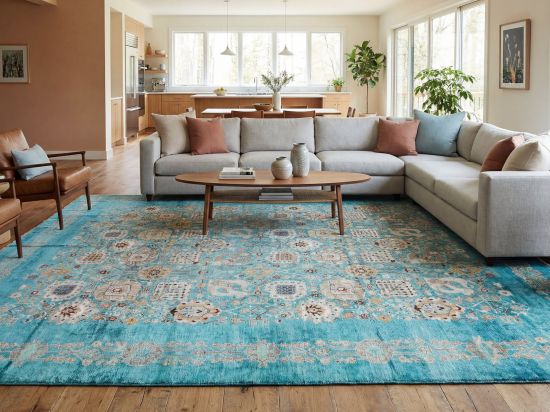
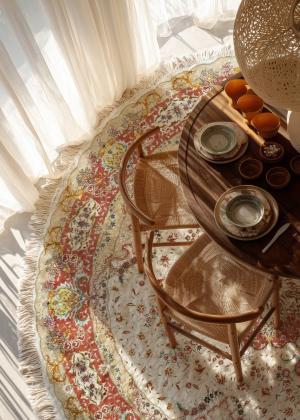
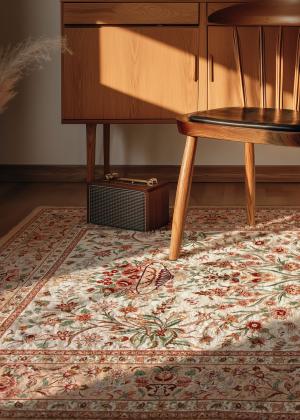
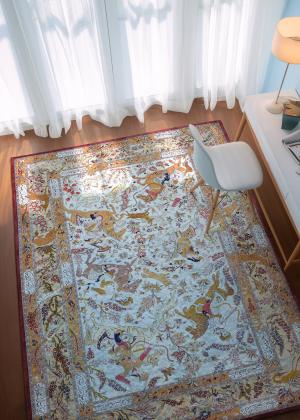
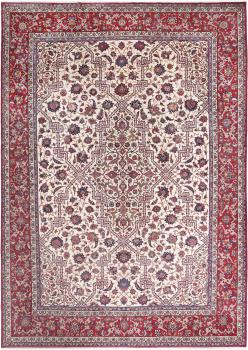
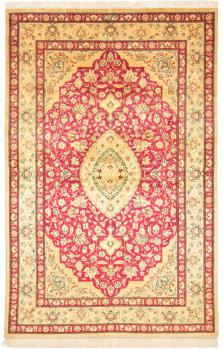
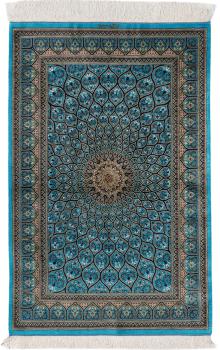
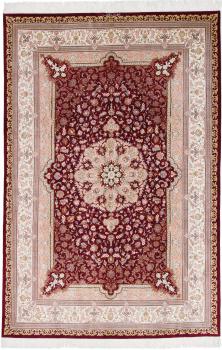
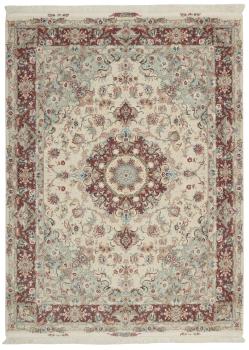
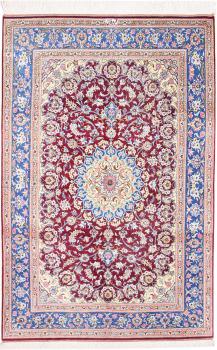
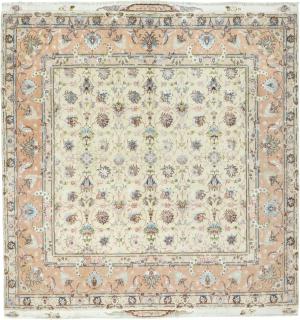
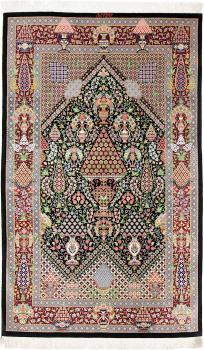
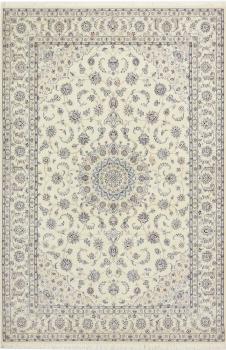
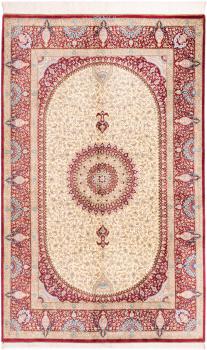
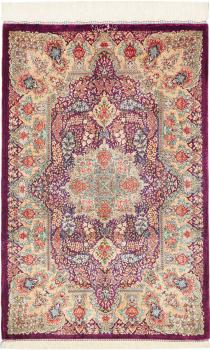
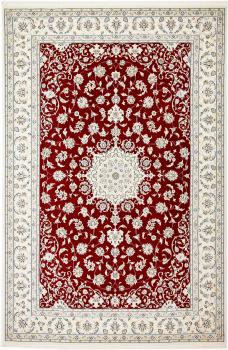
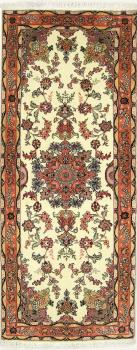
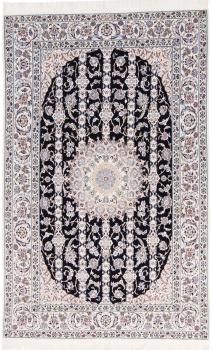
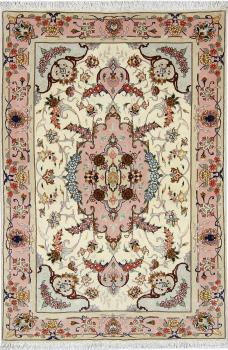
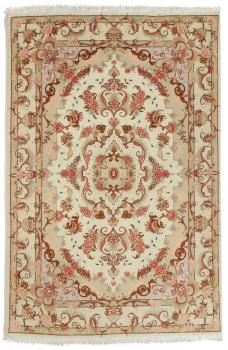
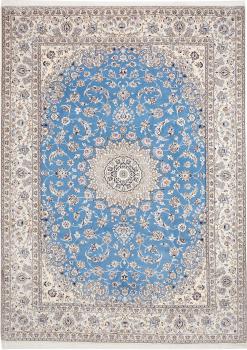
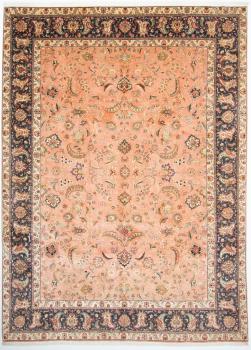
Particularly well-suited are rugs with floral or nature-inspired motifs that symbolise spring. These include, for example:
These carpets combine artisanal tradition with symbolic meaning and particularly resonate with the idea of Nowruz: renewal, harmony, and connection to nature.
Inspiration Editor: Laura Acero published on 26th February 2026