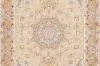
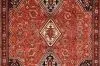
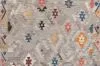
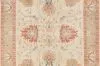
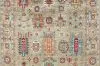
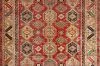
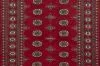
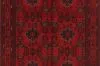
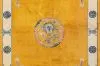
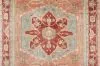
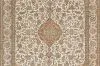
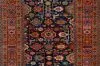
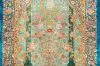
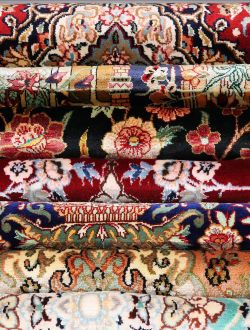
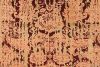
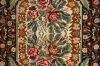
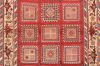
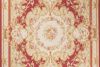
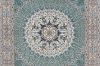
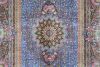
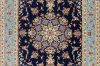
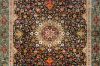
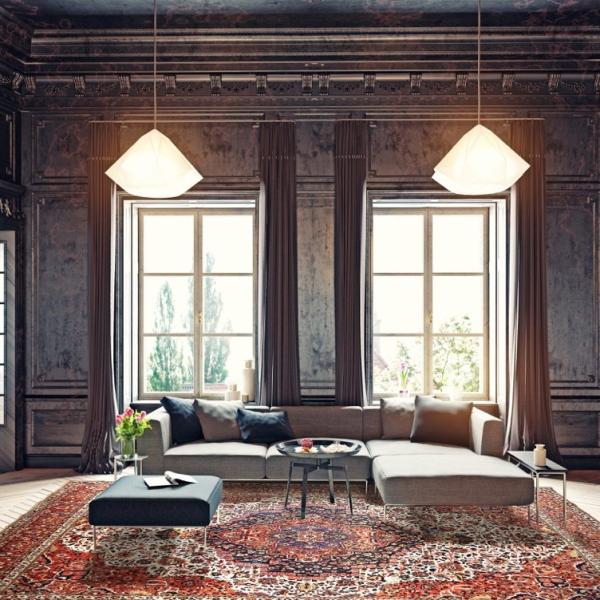
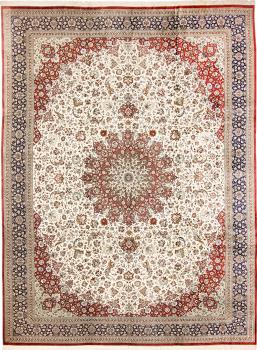
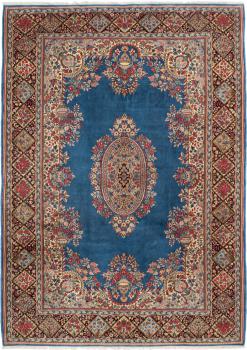
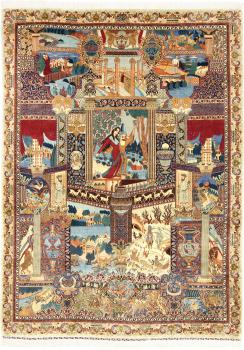
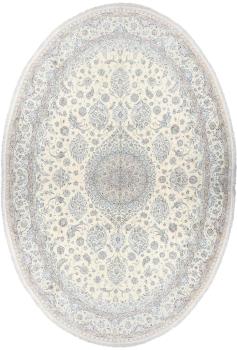
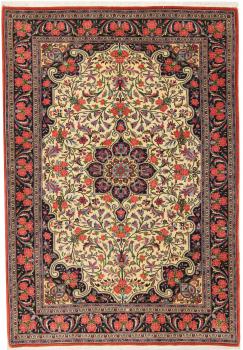
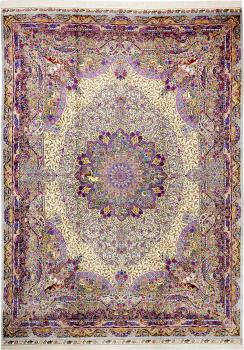
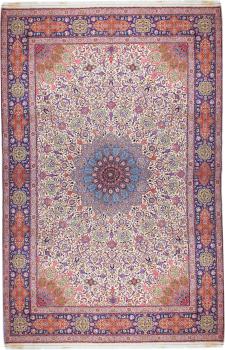
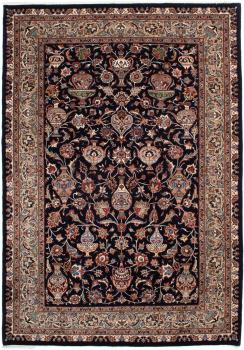
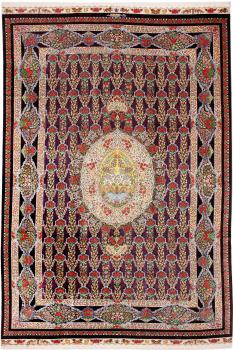
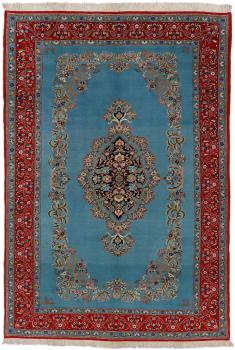
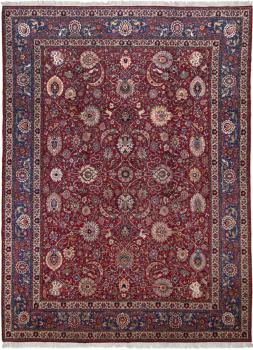
Persian Carpets are among the oldest and most renowned crafts in the world. In the past, they were a symbol of wealth and prestige – they were indispensable in the palaces and homes of affluent families. Particularly, Sheikh Naser ad-Din ensured that Persian carpets became a topic of conversation in his time, leaving an impression with their opulent designs.
However, over time, tastes changed: the younger generation moved away from classic patterns and wanted to experiment with new styles of living. In this article, we tell the story of Persian carpets, their significance, and the challenges that the craft faces today.
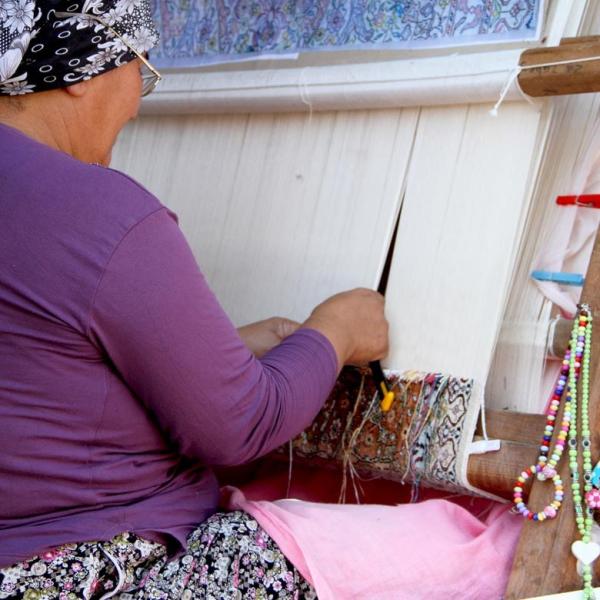
Fewer and fewer Iranians are opting for a job in one of the oldest crafts in the country. Carpet weaving requires a high level of patience and a great deal of experience. Additionally, the demands of the intricate work at the looms are often considerable.
An Iranian proverb says, "May your hands never ache." The declining number of newcomers in the field of carpet weaving also means rising wages in this craft, as the lower the supply, the higher the price. This is having an effect on the historically significant market for Persian carpets.
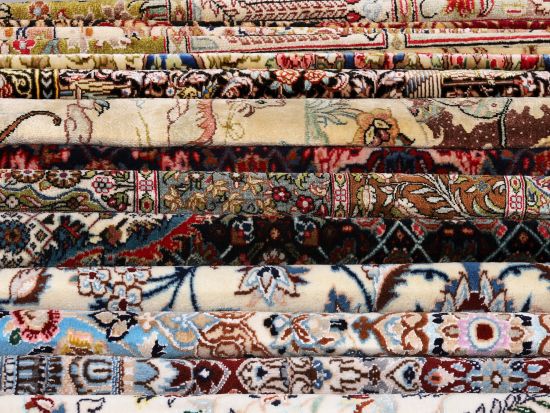
Prices have doubled in the last decade. A square metre of the highest quality can cost up to £4,000 to produce. While this may seem extreme, the price indicates that Persian carpets are not cheap mass-produced items, but always a piece of handwoven art.
This centuries-old craft can be found in only a few countries around the world. In Iran, it is among the most important crafts in the country. However, skilled artisans in Nepal, India, Pakistan, and Afghanistan also weave high-quality carpets, often taking months to complete their work.
In past times, Oriental rugs adorned the palaces and homes of wealthy citizens. They simply served as a status symbol. Everyone wanted a genuine Persian in their living room. Only authentic with a certificate and high knot density.
It was not until 1873 that Sheikh Naser ad-Din brought the Persian rug to fame. His opulent lifestyle, along with the rugs, left a lasting impression on his contemporaries. One could say he was an influencer of the 19th century.
However, after about 100 years of success, demand plummeted, along with a slightly outdated image. The younger generation wanted to move away from their parents' decor and try something entirely new.
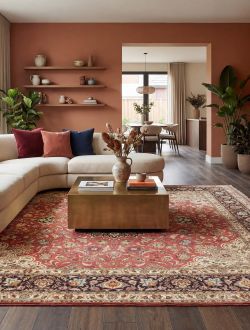
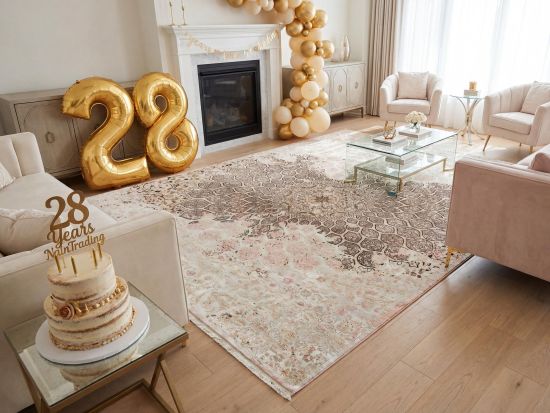
If you appreciate the beauty and history of Persian carpets, we warmly invite you to explore our exclusive collection at Naintrading . Each carpet is a handcrafted masterpiece that embodies centuries of tradition and the highest quality. With a Persian carpet , you not only bring a decorative element into your home but also a genuine piece of culture and history that fills your living space with warmth and character.
Whether you are a lover of classic patterns or searching for a modern design, you will find a diverse selection that caters to every style. Let the variety and authenticity of our carpets inspire you and discover your very own favourite piece. Visit our website now and embark on your journey into the fascinating world of Persian carpets!