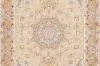
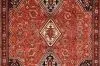
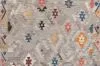
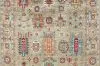
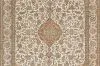
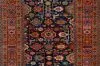
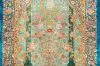
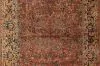
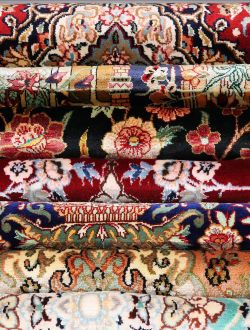
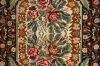
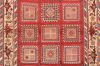
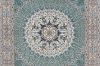
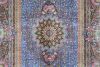
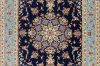
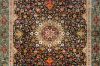
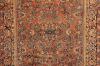
Over 100,000 rugs – a shared milestone
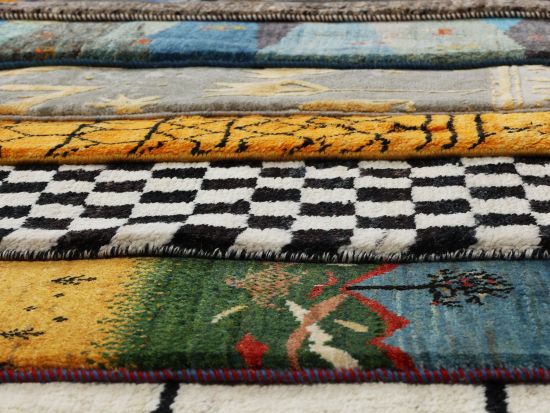
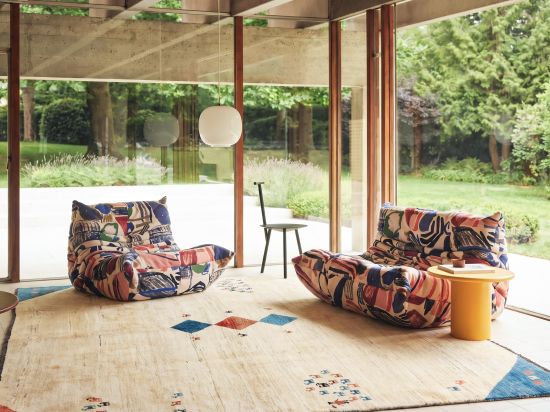
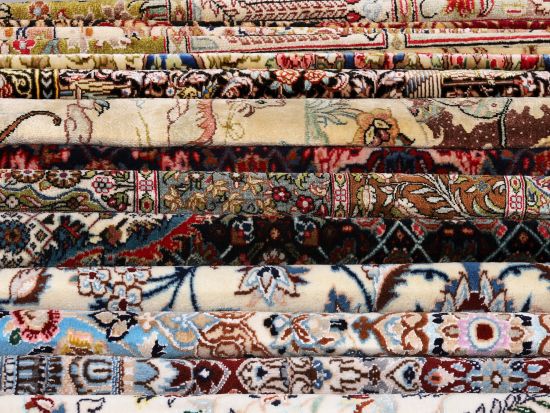
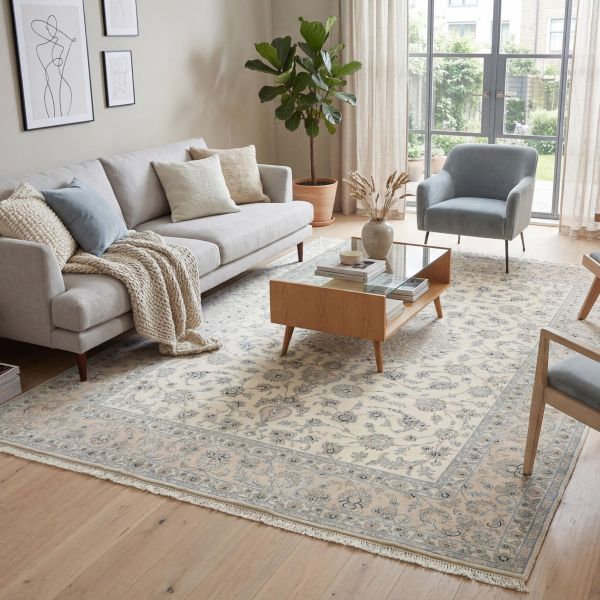
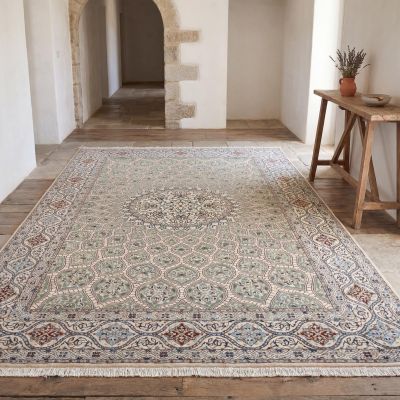
What once began with a carefully selected collection has now grown into one of the world’s largest selections of hand-knotted and handwoven rugs. Every single rug represents traditional craftsmanship, high-quality materials and unique handmade work.
This success would not have been possible without our customers. We would like to sincerely thank you for your trust and support.
Voucher code: 100K
A hand-knotted rug is not a short-lived furnishing item, but a piece of craftsmanship that can last for generations if treated well. Many oriental rugs that are now traded as collectors’ items are over a hundred years old – not despite daily use, but because their owners followed a few basic rules. The good news: rug care is not rocket science. Anyone who understands how a hand-knotted or hand-woven rug is made and what properties its materials have can answer most care questions with common sense. This guide takes you through all the key topics – from proper vacuuming and stain removal to moth protection and storage.
A machine-made rug made from synthetic fibres and a hand-knotted Persian rug may look similar at first glance – but their construction is fundamentally different. In a hand-knotted rug, every single knot is tied by hand around the warp threads. A rug of متوسط fineness contains several hundred thousand such knots, which together with the warp and weft form a living fabric of natural fibres.
This construction is remarkably robust – hand-knotted rugs are among the most durable floor coverings of all. However, they react differently to cleaning methods than industrially made products: harsh chemicals, high heat and mechanical force can damage natural fibres and natural dyes. That is why the most important rule of rug care is this: care tips for synthetic rugs cannot simply be applied to hand-knotted wool or silk.
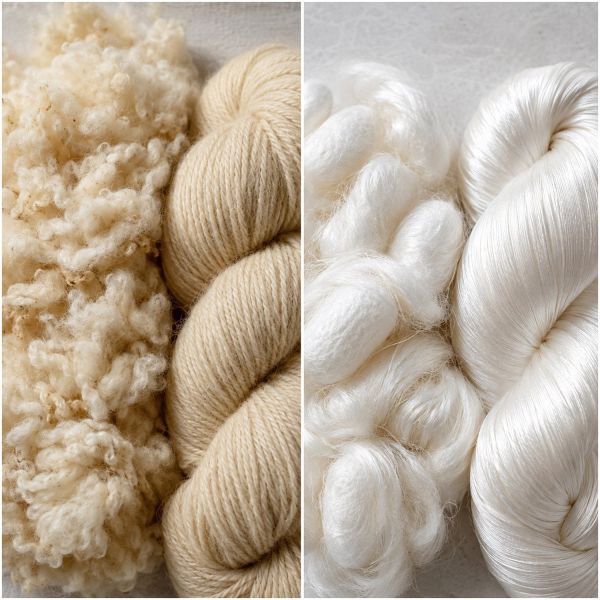
Most hand-knotted rugs are made from virgin wool – and for good reason. Wool is elastic, springs back after pressure, and contains lanolin, the natural wool grease. This makes the fibre to some extent dirt- and water-repellent: spills initially bead on the surface, and dust does not settle as deeply as it does in many other fibres. A wool rug is therefore quite forgiving – as long as its natural protective layer is not removed. However, this is exactly what happens with aggressive, alkaline cleaners and hot water. Vigorous rubbing while wet is also risky, as wool fibres can felt as a result.
Silk rugs and rugs containing silk are among the finest creations of the weaving art. The fibre is lustrous and exceptionally fine – but considerably more delicate than wool.
Moisture, friction and heat can permanently affect the sheen. The following therefore applies to silk: regular, careful vacuuming without a rotating brush is permitted, whereas any damp treatment or stain removal should be left to a specialist.
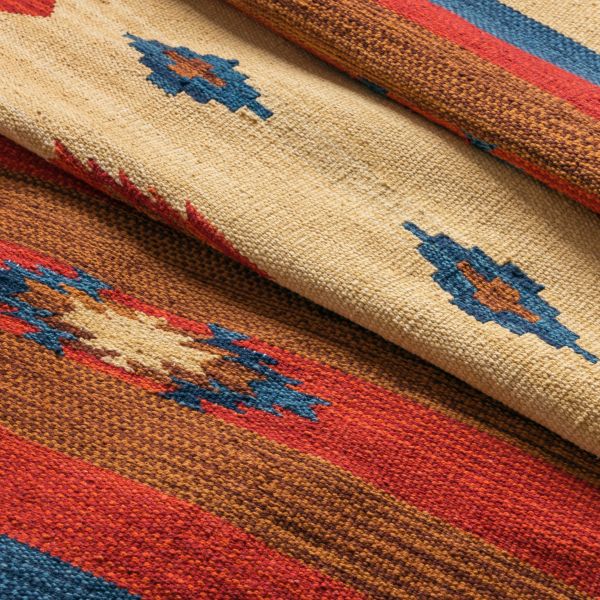
Cotton forms the foundation of most hand-knotted rugs, making up the warp and weft, while in handwoven rugs such as the Kilim, it is often visible in the weave alongside wool. Flatweaves have no pile: the pattern is woven directly into the fabric, making the rug thinner and lighter. This makes Kilims easy to care for – many can be used on both sides and turned regularly, which helps distribute wear evenly. At the same time, they lack the protective pile layer, which means pointed furniture legs and concentrated pressure put more strain on flatweaves than on a pile rug.
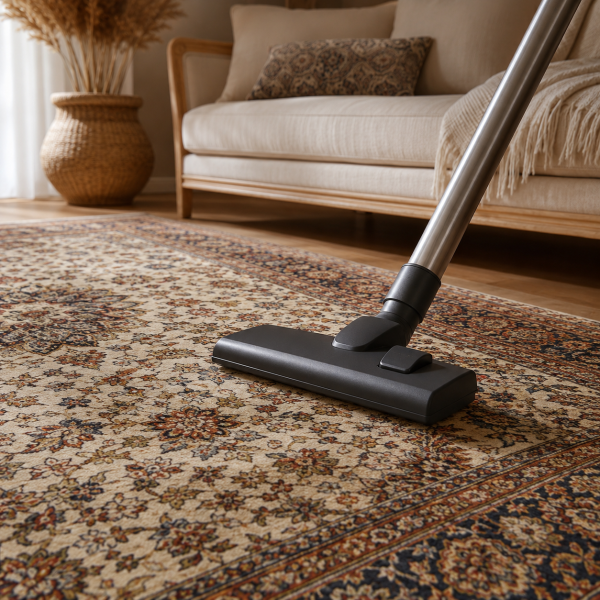
Regular vacuuming is the most important care measure of all – more important than any occasional deep clean. Dust and fine sand gradually settle into the pile and, with every step, act like sandpaper on the knots and foundation. Please follow these recommendations:
Note: Take care when using robot vacuum cleaners: models with rotating brushes can catch the fringes and damage the pile. If you use a robot vacuum cleaner, it should avoid the fringe areas.
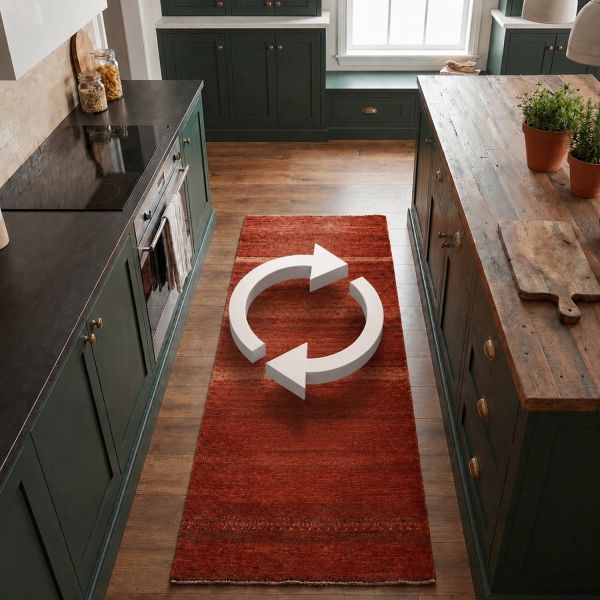
Hardly any rug is subjected to equal wear across its entire surface: foot traffic, furniture and sunlight all affect specific areas. You should therefore rotate your rug by 180 degrees roughly every six to twelve months. This helps distribute wear and light exposure evenly, allowing the rug to age harmoniously – a key factor in preserving its value.
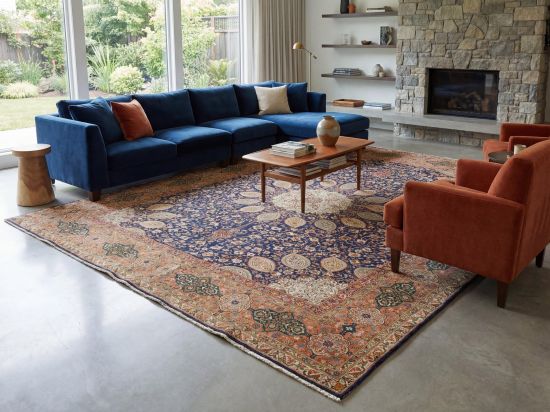
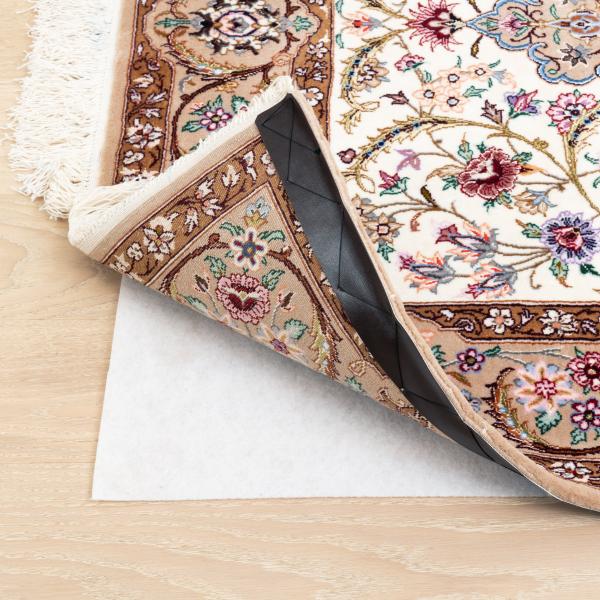
A non-slip underlay serves several purposes at once: it prevents slipping and trip-causing wrinkles, cushions foot traffic, protects the knot structure and at the same time safeguards the floor underneath. Especially on smooth floors and with smaller rugs, it is one of the simplest and most effective care measures.
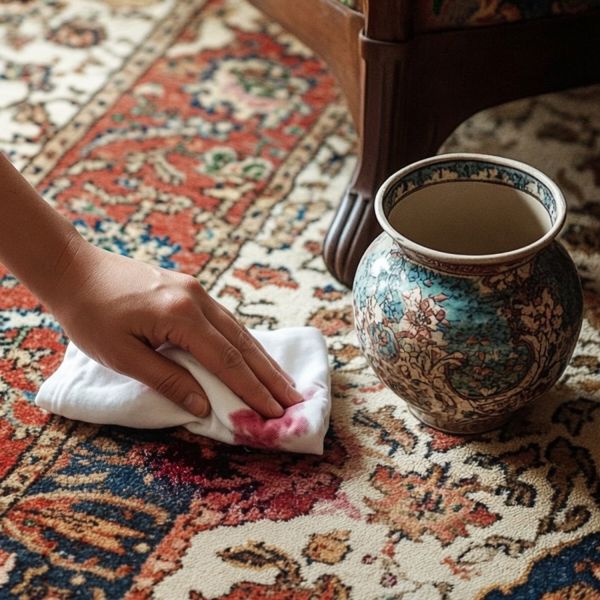
When it comes to stains, speed of reaction determines the result. A fresh stain can usually be removed quite easily, while a dried-in stain is much harder to deal with. Remember these four basic rules:
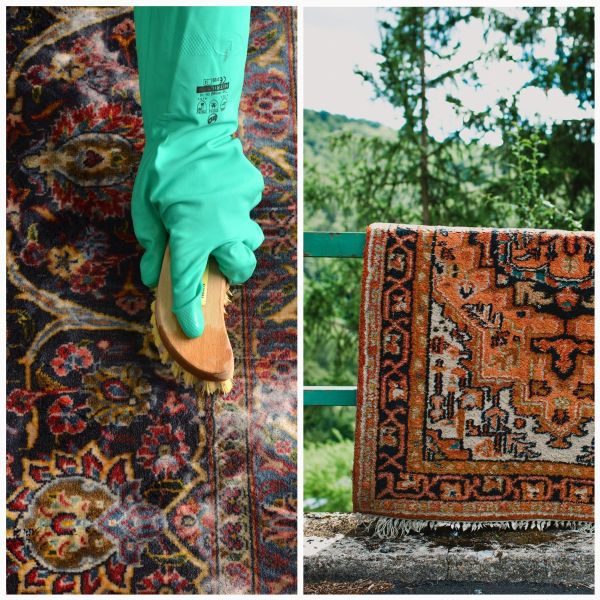
First carefully lift off any solid residue, such as food remains, with a spoon or the back of a knife. You can then treat the stain with a slightly damp cloth – use it sparingly so the foundation does not become soaked. Afterwards, allow the area to air dry completely, and do not use a hairdryer on a hot setting.
Countless home remedies circulate online – from baking powder to steam cleaners. With hand-knotted rugs, restraint is advisable: baking powder and bicarbonate of soda are alkaline and can dry out wool and damage natural dyes. Carpet foams and shampoos from the supermarket are developed for synthetic fibres and are often too harsh for natural fibres. Test every product – including heavily diluted wool detergent – on a hidden area first, and use a white cloth to check whether any colour transfers. For stubborn stains such as red wine, urine or oil, and as a general rule for silk rugs, taking it to a specialist is the safest solution.
Some mistakes cause more damage than years of use. Avoid the following with hand-knotted and handwoven rugs:
Prolonged direct sunlight will fade any rug over time – even high-quality natural dyes are sensitive to UV light. Wherever possible, avoid placing rugs in areas exposed to full sun, or soften the light during midday hours with curtains or blinds. If a sunny spot cannot be avoided, regular rotation helps distribute light exposure evenly. Incidentally, connoisseurs regard colour that has matured evenly over decades as a patina, which can even enhance a rug’s character – whereas uneven, sharply defined fading reduces its value.
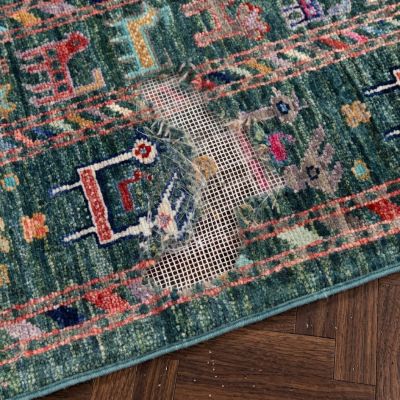
Clothes moths and carpet beetles are among the few hazards that can seriously damage a wool rug. It is not the moths themselves that feed on the wool, but their larvae – and they prefer dark, undisturbed areas such as under sofas, wardrobes and chests of drawers. A rug that is regularly walked on and vacuumed is therefore hardly at risk.
Prevention is therefore mainly about movement: vacuum the areas covered by furniture regularly as well, and check both the pile and the back of the rug while doing so. Warning signs include bare patches in the pile, fine silken tubes, sand-like crumbs or small moths flying around. If you discover an infestation, you should contact a professional rug specialist promptly – a professional wash followed by a moth protection treatment will stop the infestation reliably. Cedarwood and lavender can help as a support, but they do not replace inspection or treatment.
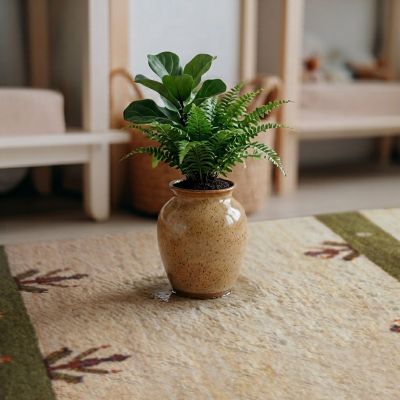
Persistent moisture is harmful to natural fibres: it can lead to mould and mildew stains, and pests also thrive better in damp conditions. Flower pots should therefore never be placed directly on the rug – unnoticed leaking watering water is one of the most common causes of mould damage. Hand-knotted rugs can generally be used on underfloor heating without any problems; wool even has a pleasantly temperature-balancing effect. Make sure to use an underlay suitable for underfloor heating and keep flow temperatures moderate.
As important as day-to-day care is, a hand-knotted rug needs a thorough wash from time to time to remove dust, skin flakes and embedded dirt from deep within the pile. As a rule of thumb, this should be done roughly every three to five years depending on wear, more often for heavily used rugs and less often for those with light foot traffic.
The right method is professional hand washing at a specialist rug cleaning company: using plenty of water, mild specialist products, gentle mechanical treatment and controlled drying. This is fundamentally different from dry cleaning, which uses solvents and is unsuitable for hand-knotted rugs. A professional wash visibly refreshes the colours, restores the wool’s natural resilience and is also the best opportunity to have minor damage to fringes and edges inspected and repaired before it turns into major damage.
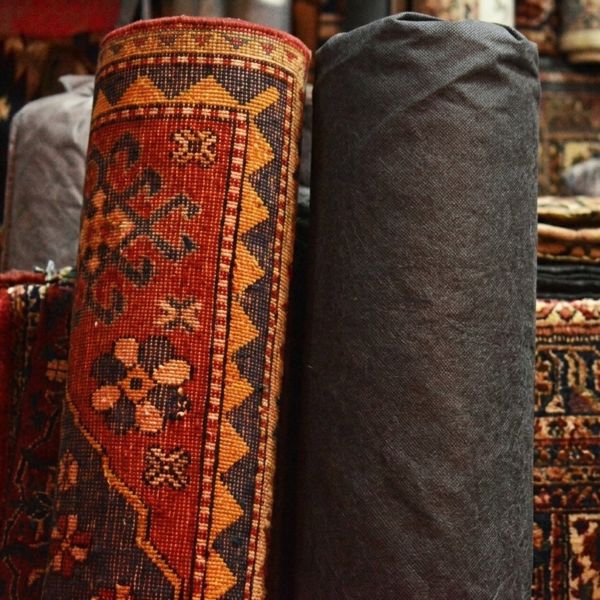
Whether you’re moving house, renovating or changing things seasonally, if you won’t be using a rug for a longer period, it should be stored carefully:
Some characteristics of handmade rugs are initially mistaken by buyers for faults, but they are completely normal features of craftsmanship and natural materials:
Caring for a hand-knotted rug is more straightforward than many people think. Regular, gentle vacuuming, occasional rotating, quick action on stains, a watchful eye for moths and a professional hand wash every few years – in most cases, that is all it takes. The reward for this modest effort is considerable: a well-maintained rug retains its colours, structure and value for decades – and often becomes a family heirloom for the next generation.
In normally used rooms, once or twice a week is sufficient – gently, without a rotating brush and in the direction of the pile. More important than frequency is using the right technique.
A full wet clean carried out yourself is not recommended. A soaked rug does not dry well, and there is a risk of mould and colours running. Spot treatment for stains using very little moisture is possible, but the main wash should be left to a specialist.
Immediately blot with a clean, white cloth – do not rub – then carefully treat with cold water and pat dry. If a mark remains, leave any further treatment to a professional rug cleaner rather than experimenting with harsh products.
Typical signs include bare patches in the pile, fine silken tubes, sand-like crumbs on the back, or small moths in the room. Check areas under furniture in particular – this is where an infestation almost always begins.
As a rule, yes. Wool helps regulate temperature and is not damaged at moderate flow temperatures. Use a non-slip underlay suitable for underfloor heating.
Depending on wear, roughly every three to five years. Rugs with heavy foot traffic benefit from shorter intervals, while those used less often can go longer without washing.
Hand-knotted rugs are made entirely by hand. Minor variations from the stated dimensions are common and are considered a characteristic of genuine craftsmanship, not a defect.