

Afghan Rugs
Afghan rugs are, as the name suggests,
 United Kindgdom (EN)
 France (FR)
 Spain (ES)
 Italy (IT)
 United States (EN)
 Portugal (PT)
 Netherlands (NL)
 Belgium (FR)
 Belgium (NL)
Denmark (DA)
Belgium (NL)
Denmark (DA)
 Finnland (FI)
 Norway (NO)
 Sweden (SE)
 Poland (PL)
 Romania (RO)
 Hungary (HU)
 Japan (JP)
 Ireland (EN)
 Greece (EL)
 Austria (DE)
 Switzerland (DE)
 Switzerland (FR)
Switzerland (IT)
New Zealand (EN)
Switzerland (FR)
Switzerland (IT)
New Zealand (EN)
 International (EN)

Anniversary Sale
Save up to 20% – even on already discounted rugs!
United Kindgdom (EN)
France (FR)
Spain (ES)
Italy (IT)
United States (EN)
Portugal (PT)
Netherlands (NL)
Belgium (FR)
Belgium (NL)
Denmark (DA)
Finnland (FI)
Norway (NO)
Sweden (SE)
Poland (PL)
Romania (RO)
Hungary (HU)
Japan (JP)
Ireland (EN)
Greece (EL)
Austria (DE)
Switzerland (DE)
Switzerland (FR)
Switzerland (IT)
New Zealand (EN)
International (EN)


Afghan rugs are, as the name suggests,


.jpg)


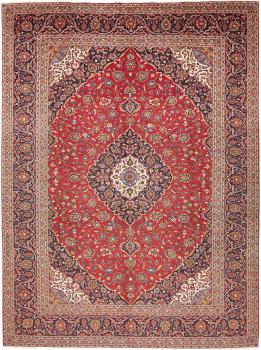
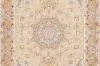
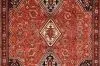
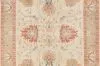
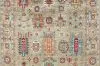
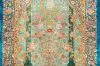
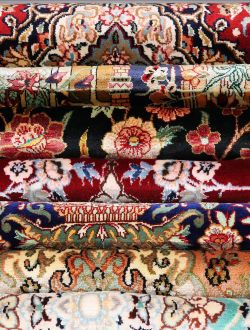
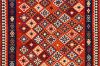
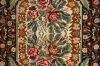
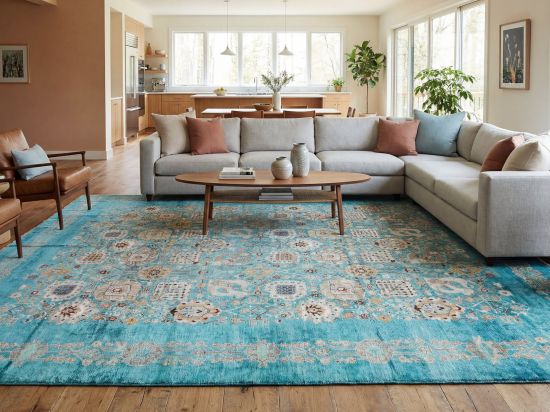
Afghan rugs are best known for their distinctive colour impact and bold design language. A typical hand-knotted Afghan rug brings cosy depth and warmth to a room with its dark reds and earthy tones, while colourful Afghan Kilim rugs add a creative, relaxed feel and a sense of individuality.
What all Afghan rugs have in common is a combination of dense virgin wool, recurring geometric patterns and a striking overall appearance. Depending on your interior style and furnishings, different Afghan rugs reveal their own particular strengths. Hand-knotted rugs tend to create a calmer, more compact look thanks to their dense structure, while Kilim rugs, with their flatweave construction and often more vibrant patterns, create a lighter, more open feel in a room.
Afghan rugs are handmade Oriental rugs from Afghanistan or Afghan-influenced regions. The term includes both hand-knotted pile rugs and flat-woven Kilim rugs, and therefore describes a group of rugs with shared design and craftsmanship characteristics.
Rug making in the rugged country between the Dasht-i-Margo desert and the barren mountain ranges of the Hindu Kush has a long tradition and is closely linked to Turkmen influences. These are particularly evident in the typical göl or gul motifs, which appear in knotted rugs as recurring, geometrically arranged elements. Kilim rugs partly adopt this visual language and interpret it more freely in a geometric, stylised way.
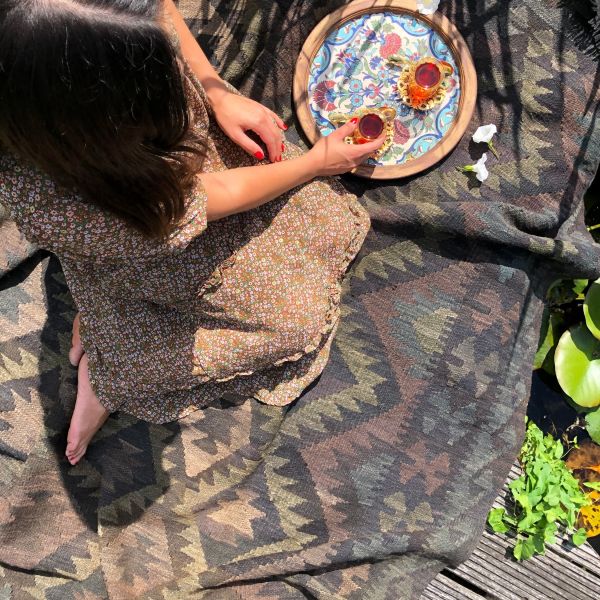
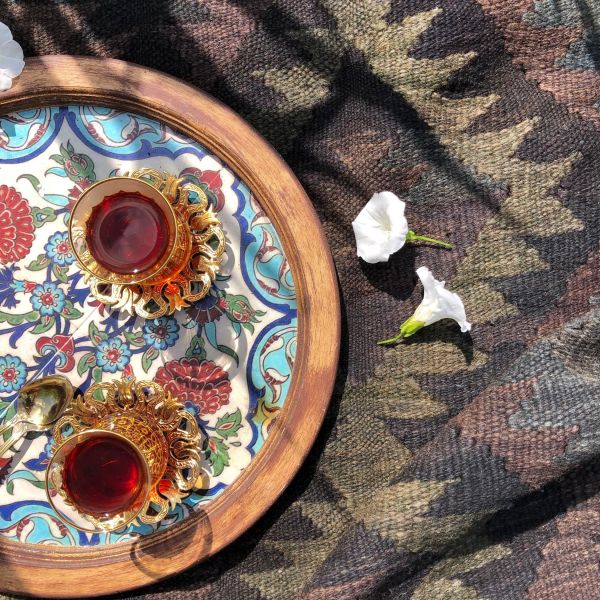
While the hand-knotted Afghan rug is characterised by its pile, dense structure and generally darker colour palette, the Afghan Kilim rug stands out for its flat-weave technique, lighter weight and often more vibrant colour combinations. Both types are usually made from virgin wool and are designed for durability.
The colour palette also varies depending on the type of rug. Classic Afghan rugs often feature dark reds and browns, while Kilims, alongside muted shades, frequently display lighter and more contrasting combinations.
Within the “Afghan rug” category, there are several established types that differ in pattern effect, fineness and overall character.
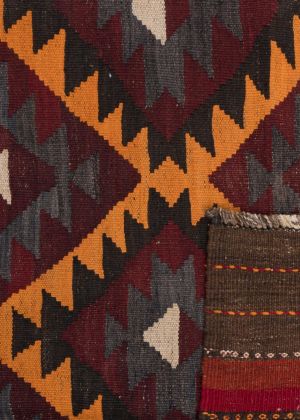
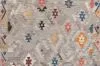
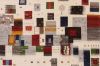
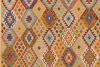
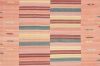
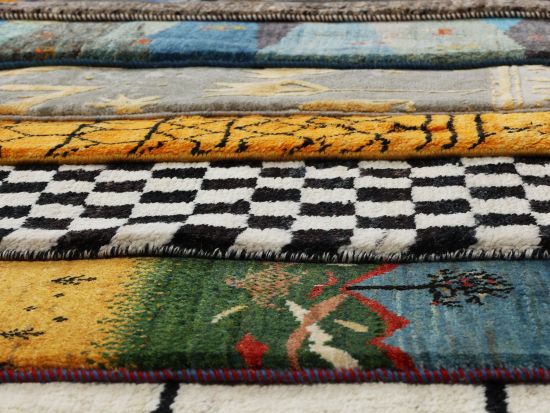
Kilim rugs from Afghanistan are among the most popular nomadic flatwoven rugs of all. They are flat-woven using traditional techniques and are usually made from hard-wearing virgin wool. This creates a smooth, firm surface without pile, making the rug particularly lightweight and versatile. Typical features of Afghan Kilim rugs are clear geometric patterns, often made up of stripes, diamonds and abstract ornaments. Afghan Kilim rugs also offer a wide range of colours. Alongside classic shades of red, green, blue and earthy tones, you will often find bold and vibrant colour combinations with pink, purple, orange and yellow.
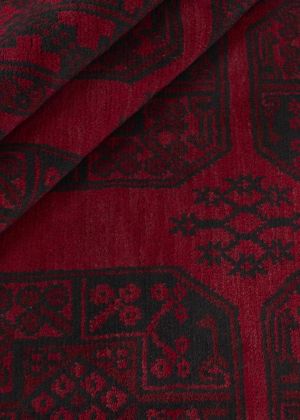
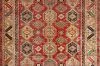
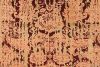
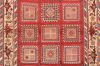
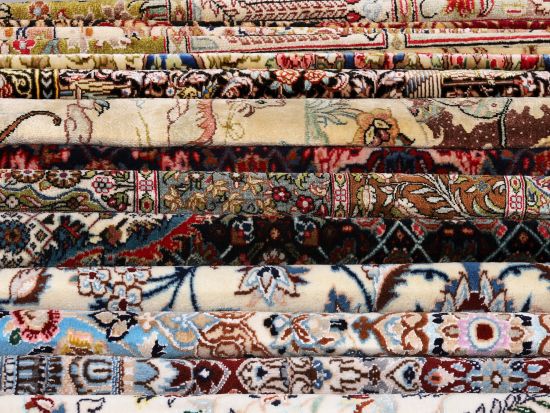
Afghan Akhcha rugs are among the classic and most original hand-knotted rugs from the country in the Hindu Kush. They are mainly made by Turkmen weavers and feature the typical Göl motifs in a clear, rather direct style. The patterns appear compact and even, creating an authentic and traditional overall look. Dark red and brown tones dominate the colour palette.
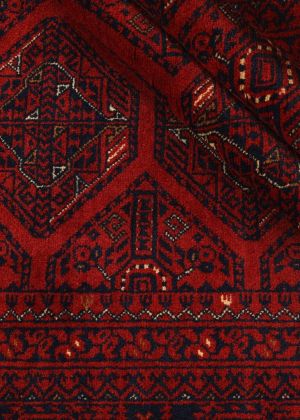
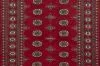
Khal Mohammadi rugs are among the highest-quality Afghan rugs and are best known for their particularly deep red colouring. They are more finely knotted and usually have a short, dense pile, which makes the patterns appear precise and clear. The even colouring creates a calm and cohesive overall look.
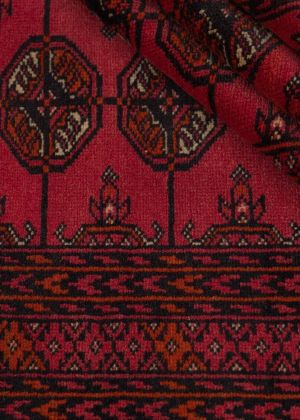
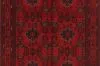
Afghan Mauri rugs are hand-knotted wool rugs with a distinctive pattern structure and varying geometric elements such as diamonds or hexagonal shapes. This creates a more vibrant overall look within a clear basic structure. In terms of colour, Mauri rugs are found in the classic red and brown palette.
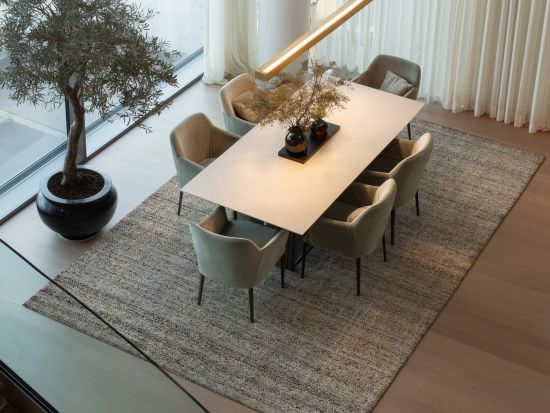
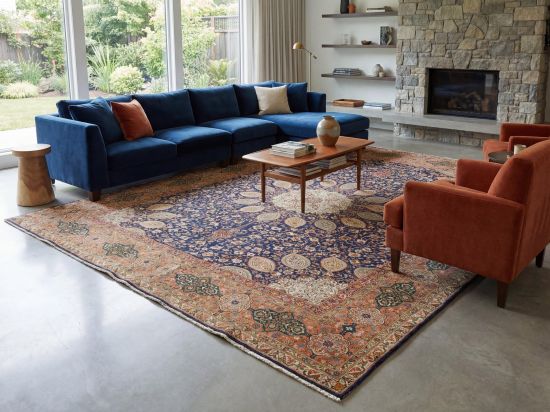
Afghan rugs are hard-wearing and durable wool rugs that can be used in a variety of ways. The knotted versions are particularly suitable for living areas where a rug needs to stand up to everyday use, such as under the dining table, in the study or in the hallway. Kilim rugs from Afghanistan are ideal for lighter-use areas such as reading corners or bedrooms.
Typical sizes are medium to larger formats from 170x240 cm upwards, for example as a living room rug in 200x300 cm or 250x350 cm. Smaller sizes and runner sizes such as 80x200 cm or 100x200 cm are suitable for hallways, kitchens or beside the bed. Afghan Kilim rugs are also increasingly being used again in keeping with their nomadic roots, for example as a wall hanging, bedspread and, increasingly, in mobile living situations, such as in motorhomes, caravans and awnings on campsites.
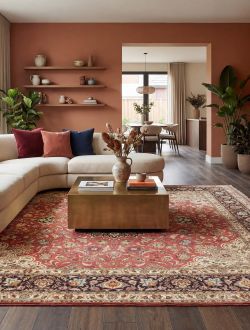
Another advantage of Afghan rugs lies in their colour palette. The classic red and brown tones help conceal signs of wear and combine well with wood, leather and neutral colours. Kilims broaden this range with lighter and more contrasting colours. Using them away from direct light helps preserve the colour intensity over the long term.
For households with frequent use, Afghan rugs are a practical choice. Hand-knotted rugs provide a stable surface for furniture, while Kilims offer added flexibility thanks to their low weight and reversible design. Anyone looking for a long-lasting rug will find Afghan rugs a reliable solution.
At Nain Trading, you will find a wide selection of Afghan rugs, including classic hand-knotted designs as well as Afghan Kilim rugs. All rugs are handmade and carefully selected, so you can compare different options directly.
As rugs from Afghanistan can vary greatly in appearance, we offer personal advice as well as a risk-free shopping experience with an extended 31-day return policy. This allows you to try your rug at home at your leisure and make your decision with confidence.
Afghan rugs are generally robust hand-knotted or flatwoven rugs made from durable wool, featuring geometric patterns and rich colours.
Kilim Afghan rugs are flat-woven and lightweight, while hand-knotted Afghan rugs have a dense, firm pile.
Khal Mohammadi rugs are more finely knotted and more even in colour. Akhcha rugs have a more authentic look with classic gül patterns.
Yes, hand-knotted Afghanistan rugs are very hard-wearing and are well suited to living areas with heavy use.
For living rooms, 200x300 cm or 250x350 cm are common, while runners such as 80x200 cm are suitable for hallways.
In direct sunlight, colours may fade. A spot protected from light helps preserve the colours.
Regular vacuuming is usually sufficient. For heavier soiling, professional cleaning is recommended.
Yes, thanks to their robust wool structure, Afghan rugs are durable and well suited to everyday use.