31-day returns policy Free shipping within Europe More than 100,000 unique rugs Since 1998: Your expert in hand-knotted oriental rugs

28 Years of Nain Trading – Extra 20% Off
Celebrate 28 years of Nain Trading with us and enjoy an extra 20% off our entire range – including rugs already on sale.
Discount code: 28YEARS

Nain Trading

Minimalist interior design style

BY LAURA, RUG EXPERT AT NAIN TRADING | PUBLISHED: 2026-06-16 | 9 MIN READ
The minimalist interior design style is characterised by its focus on simplicity, functionality and clean aesthetics. The aim is to remove anything superfluous and instead emphasise open spaces, straight lines, neutral colours and understated yet carefully considered décor. Every element in a minimalist room serves a specific purpose – whether practical or aesthetic – and unnecessary clutter is avoided. This creates a harmonious environment where “less is more” and visual calm takes centre stage.

What does clean living mean?

Clean Living stands for a mindful and pared-back interior style, where clarity, functionality and harmony take centre stage. Instead of overcrowded rooms and short-lived trends, this style of furnishing focuses on high-quality materials, a calm colour palette and carefully chosen pieces of furniture with timeless character.

The aim is to create an environment that radiates calm and slows the pace of everyday life. Each furnishing item serves a purpose and contributes to a balanced overall look.

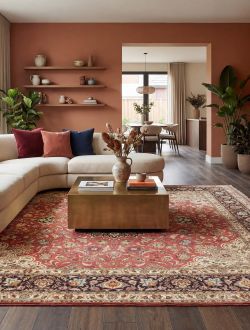
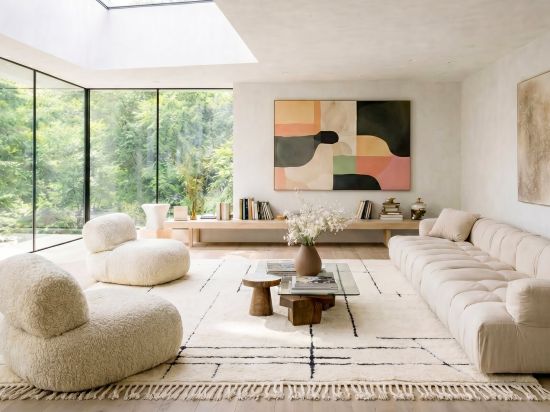
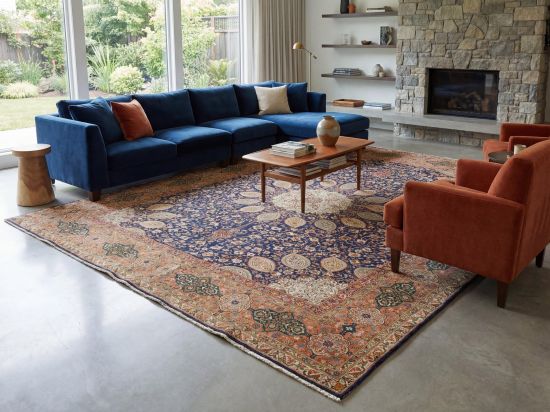
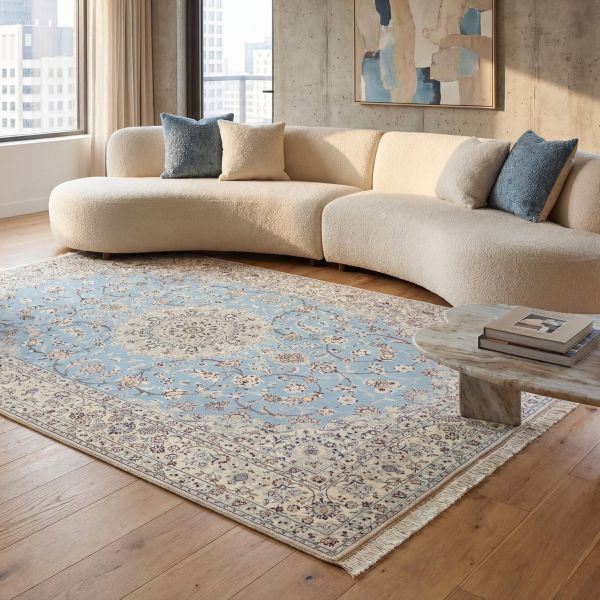
Hand-knotted Persian rug in the modern living room

Where does this style come from?

Minimalism as an aesthetic movement has its roots in the art and architecture of the 20th century and was heavily influenced by modernism as well as traditional Japanese design. Scandinavian design in particular and Japanese Zen philosophy played a key role in shaping this style by promoting the principle of balanced and tranquil spaces. In the 1960s, minimalism first became established in the art world and soon found its way into interior design – growing in popularity thanks to its understated yet elegant effect.

Basic principles of minimalist design

The central principles of minimalist design include functionality, visual clarity, quality over quantity, and a mindful use of space. Natural materials such as wood, linen and marble are preferred, along with a colour palette of neutral tones like white, grey, black and beige. The furniture usually features simple, clean lines and avoids unnecessary ornamentation. Natural light also plays a key role – it enhances the sense of openness and purity that defines this style.

Clean Living at a glance

Features Typical colours Suitable materials
Clean lines White Wood
Less is more Cream Natural stone
Functional furniture Beige Glass
High-quality materials Light grey Metal
Intentional room design Taupe Linen
Visual calm Anthracite Wool

Conscious choice of rug

To stay true to the minimalist style, it is best to choose oriental rugs in understated colours and subtle patterns. Designs with soft contrasts, symmetrical motifs or tone-on-tone patterns are ideal. The size of the rug also plays an important role: large enough to visually define the space, but not so dominant that it disrupts the open feel. The aim is to create a cosy atmosphere without disturbing the visual balance.

The rug as a central design element

In minimalism, every object has a clear function – whether aesthetic or practical. An oriental rug can become the centrepiece of the interior when the remaining elements are understated and coordinated. Furniture with clean lines, neutral colours, few decorative objects and plenty of open space allow the rug room to make an impact. In this way, it brings character, craftsmanship and depth to the room without disturbing the calm overall effect.

Carpet types suitable for minimalist interiors

Berber rugs

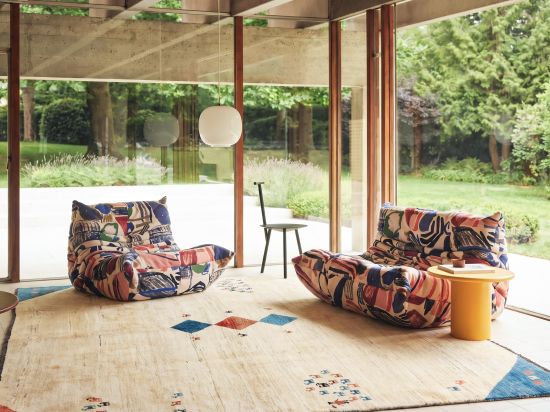
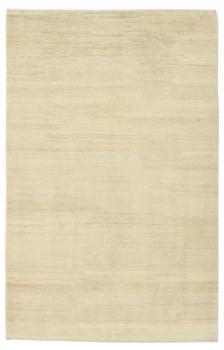
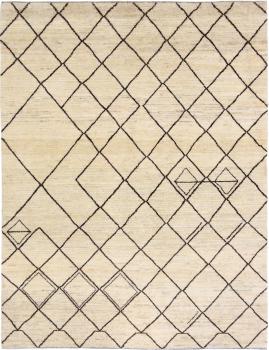
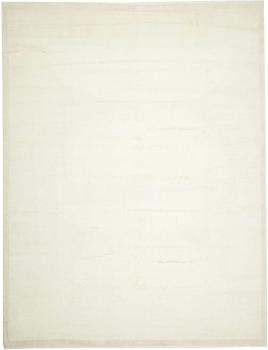
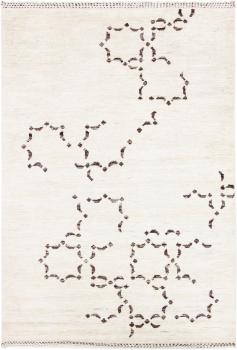
These rugs from North Africa, particularly Morocco, are distinguished by their natural wool, thick texture and often simple geometric patterns. Their colour palette in cream, beige or warm white, along with their organic texture, makes them an ideal choice for understated interior design – they feel calm, cosy and authentic. If you are looking for a Berber rug in natural shades, you will find plenty of suitable options in this category for clean living concepts with a warm feel.

Gabbeh rugs

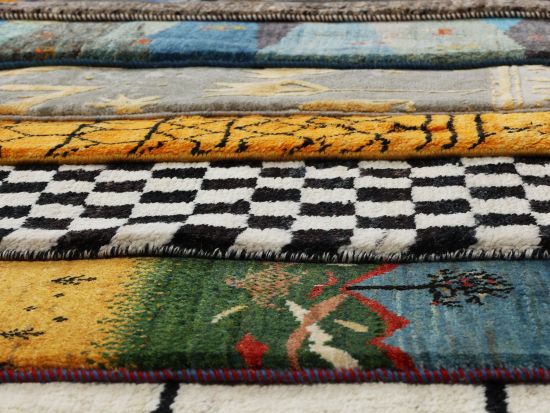
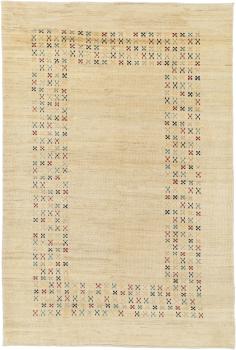
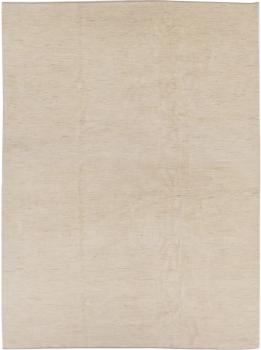
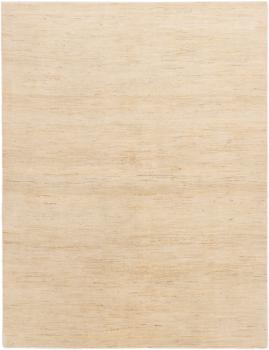
Gabbeh rugs feature simple, often plain-coloured designs or minimalist geometric patterns. Their rustic, authentic look blends beautifully with modern, pared-back interiors and adds a warm touch. Gabbeh rugs with understated designs are particularly recommended, as despite their simplicity they offer artisanal depth and character.

Mila designer rugs

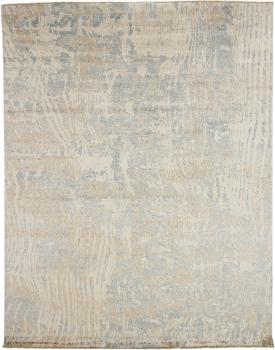
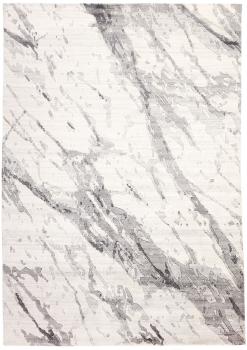
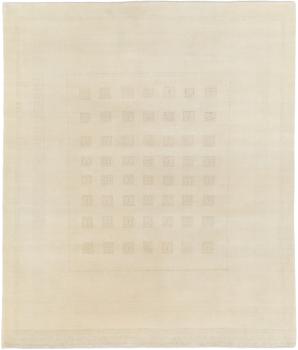
Anyone looking for a modern, graphically inspired rug for a minimalist home will find an excellent selection in the Mila collection . The designs are mostly abstract or textured, in soft shades of grey, beige or stone-effect tones – perfect for subtly enhancing a calm space without overwhelming it. These rugs are particularly well suited to pared-back, urban interiors with a modern character.

Sadraa rugs

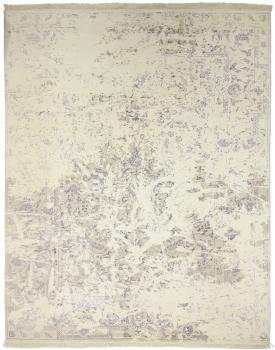
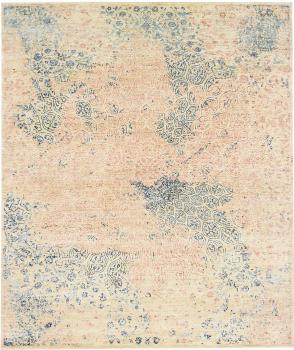
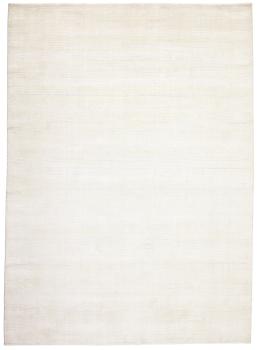
The handmade Sadraa rugs are characterised by modern, understated patterns and natural colours. They combine traditional craftsmanship with contemporary design and are therefore an excellent fit for minimalist interiors. In the selection of Sadraa rugs with modern minimalism, you will find stylish pieces that bring calm, clarity and elegance to any room.

How to Use Rugs in a Clean Living Style

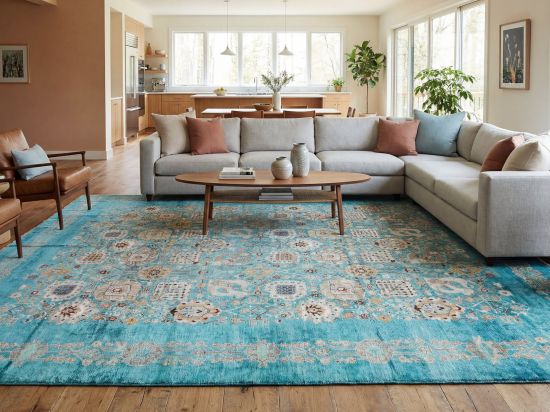
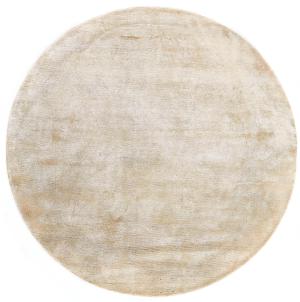
Modern rug in the living room for the clean living style

Living room

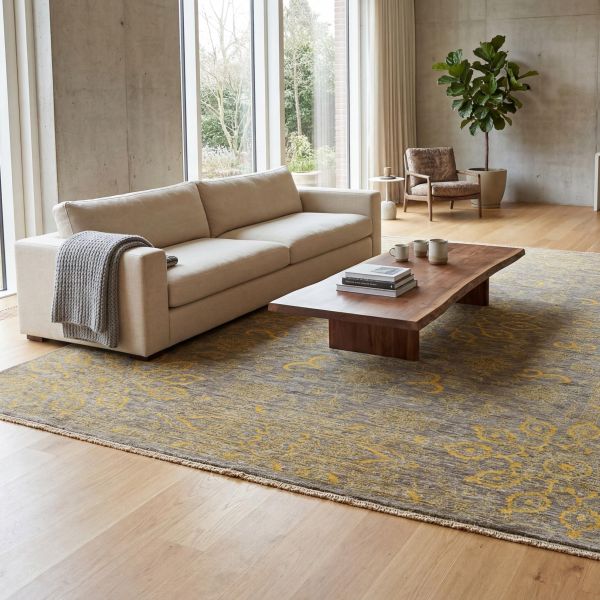
In the living room, a rug can visually tie the seating area together and give the room more structure. Subtle colours, clean patterns and high-quality natural materials work particularly well with the clean living style, as they add warmth without disturbing the room’s calm feel.

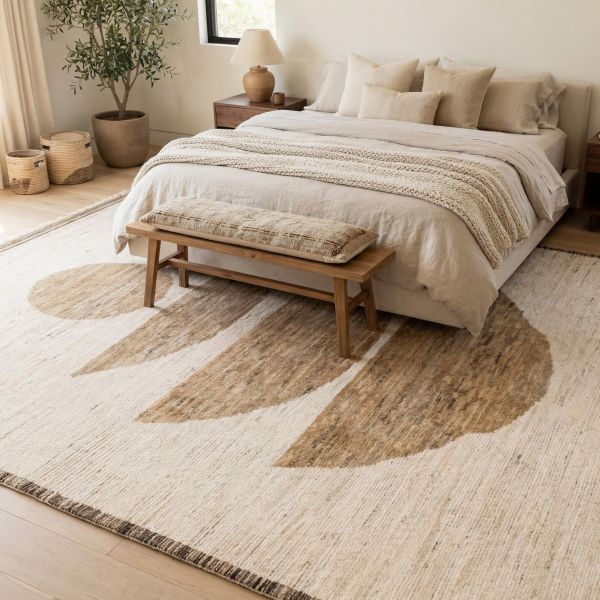
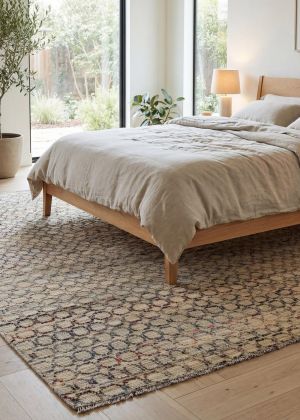
Elegant rug in the bedroom for greater comfort

Bedroom

In the bedroom, a rug brings calm, comfort and a pleasant feeling underfoot when you get up. Light shades such as cream, beige or light grey help create a relaxed atmosphere and blend harmoniously into a minimalist interior design scheme.

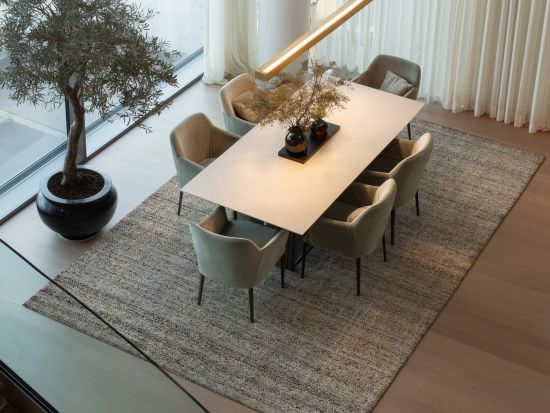
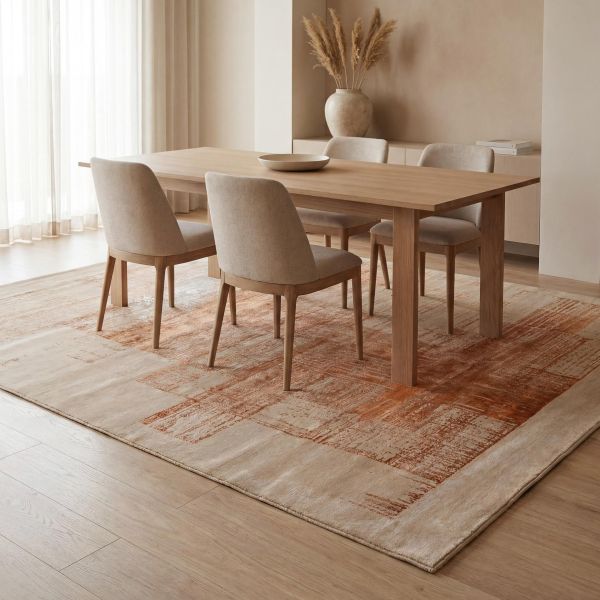
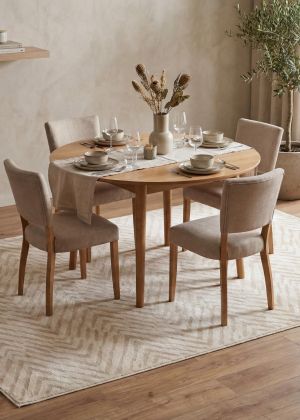
Designer rug under the dining table in the modern dining room

Dining room

In the dining room, a rug defines the area around the table and adds a warmer, more inviting feel to the space. It is important to choose a size large enough so that chairs remain on the rug even when pulled out. Simple designs and hard-wearing materials are particularly well suited here.

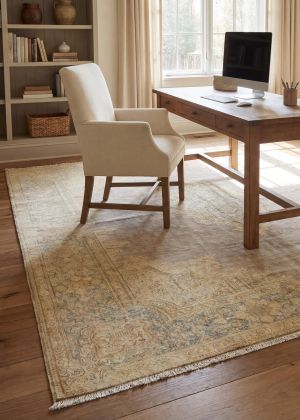
Stylish rug in the home office with a timeless design

Home office

In a home office, a rug improves the room acoustics and creates a focused, pleasant working atmosphere. Subtle rugs in natural tones or with fine textures complement the clean living style without distracting from what matters most.

Tips for harmonious visual balance

Less is more: Let the rug breathe

An oriental rug can feature a highly intricate design. That’s why it’s essential to give it enough space to make an impact without competing with other elements. Avoid overcrowding the surrounding area with too many decorative objects or ornate furniture. The cleaner the setting, the more the rug will stand out. Place it in a central area where it becomes a visual focal point, for example under a coffee table or as a frame for a reading corner.

Clear structures create calm

A harmonious interior look is created through a clear arrangement of furniture and home accessories. Make sure to design individual areas deliberately and avoid unnecessary distractions. A rug can help to visually define different zones and give the room more structure. This creates a calm and balanced overall look, especially in open-plan living spaces.

Combine materials consciously

The feel of a room is largely shaped by the materials used. Combine natural surfaces such as wood, linen, wool or natural stone to create a warm yet uncluttered atmosphere. Different textures add depth and interest without compromising the clean aesthetic of the Clean Living style. A high-quality rug can serve as a unifying element between the different materials.

Frequently Asked Questions about the Clean Living Style

How can you stop a minimalist room from feeling uninviting?

A minimalist room does not have to feel cold or impersonal. Natural materials, soft textiles and carefully chosen home accessories create warmth and ensure that the room remains inviting despite its clean design.

How many colours should you use in the Clean Living style?

For a harmonious overall look, it is advisable to choose a neutral base of two to three main colours and complement it with a few accent colours. This makes the room feel calm, tidy and timeless.

What are the benefits of a tidy living environment?

A structured living space can promote well-being and help reduce visual distractions. Many people find tidy rooms more relaxing and pleasant in everyday life.

Can families with children embrace the clean living style?

Yes, the clean living style is also suitable for families. Functional furniture, well-designed storage solutions and durable materials help to combine tidiness with a cosy home atmosphere.

Why do many clean living concepts focus on quality rather than quantity?

The focus is on carefully selected furniture and home accessories that are durable, functional and timeless. This creates a more sustainable interior that is less dependent on short-lived trends.

How can you create a calmer atmosphere in open-plan living spaces?

A clear room layout, coordinated colours and carefully placed furnishings help to create a harmonious open-plan living space. Rugs can also visually define different zones and create a more balanced overall look.

Further inspiration

Close-up of the dog with a ball lying on a soft carpet.

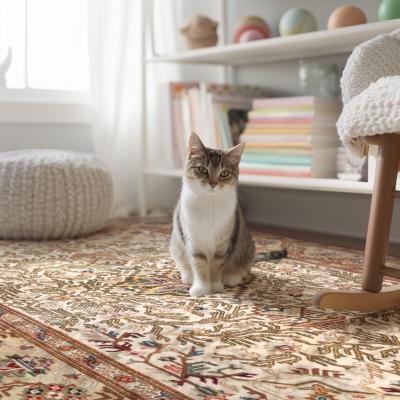
Oriental carpets and pets

Oriental rug in traditional medallion design as wall decoration

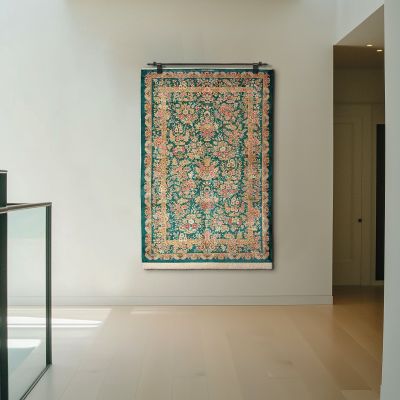
Back in fashion: Oriental carpets on the wall

Close-up of a modern Gabbeh rug in dark design with fine patterning.
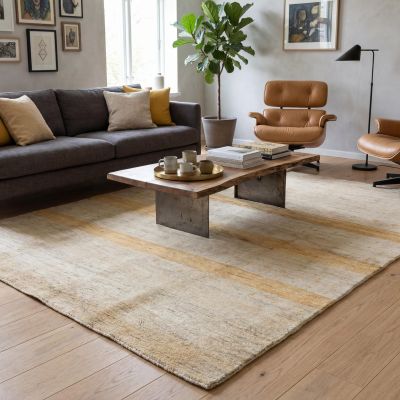
Cosy classics

Gabbeh